 Sherry Ryden is a woman on a mission. Her greatest desire is to have every single person she meets ‘know God a little better and love God even more.’ While she has no official writer training, she has a deep desire to share every message God gives her with others...
 Early training in music and theater led Paula K. Parker to a life-long love for the arts. This passion eventually brought her to Nashville, TN, where she – along with her writer husband, Mike – helped establish local community theaters, Carpenter’s Playhouse and...
 Mike Parker is an actor, writer, director, playwright & screenwriter. He has authored three successfully produced stage plays including: Fail-Safe: the stage play, Oscar Wilde’s Dorian Gray, and Mark Twain Presents the Adventures of Tom Sawyer. He is currently...
 Michael Potts grew up near Smyrna, Tennessee and is currently Professor of Philosophy at Methodist University in Fayetteville, North Carolina. His undergraduate degree (in Biblical languages) is from David Lipscomb University. He also holds the Master of Theology from...
 Ginny Priz is a Certified Christian Life Coach and Speaker. She is also creator of the Ditch the D.R.A.M.A. audio series, a weekly Serenity video blog. Being born without a full right arm was the blessing that gave her faith in God’s plan for her life. Plus, her...
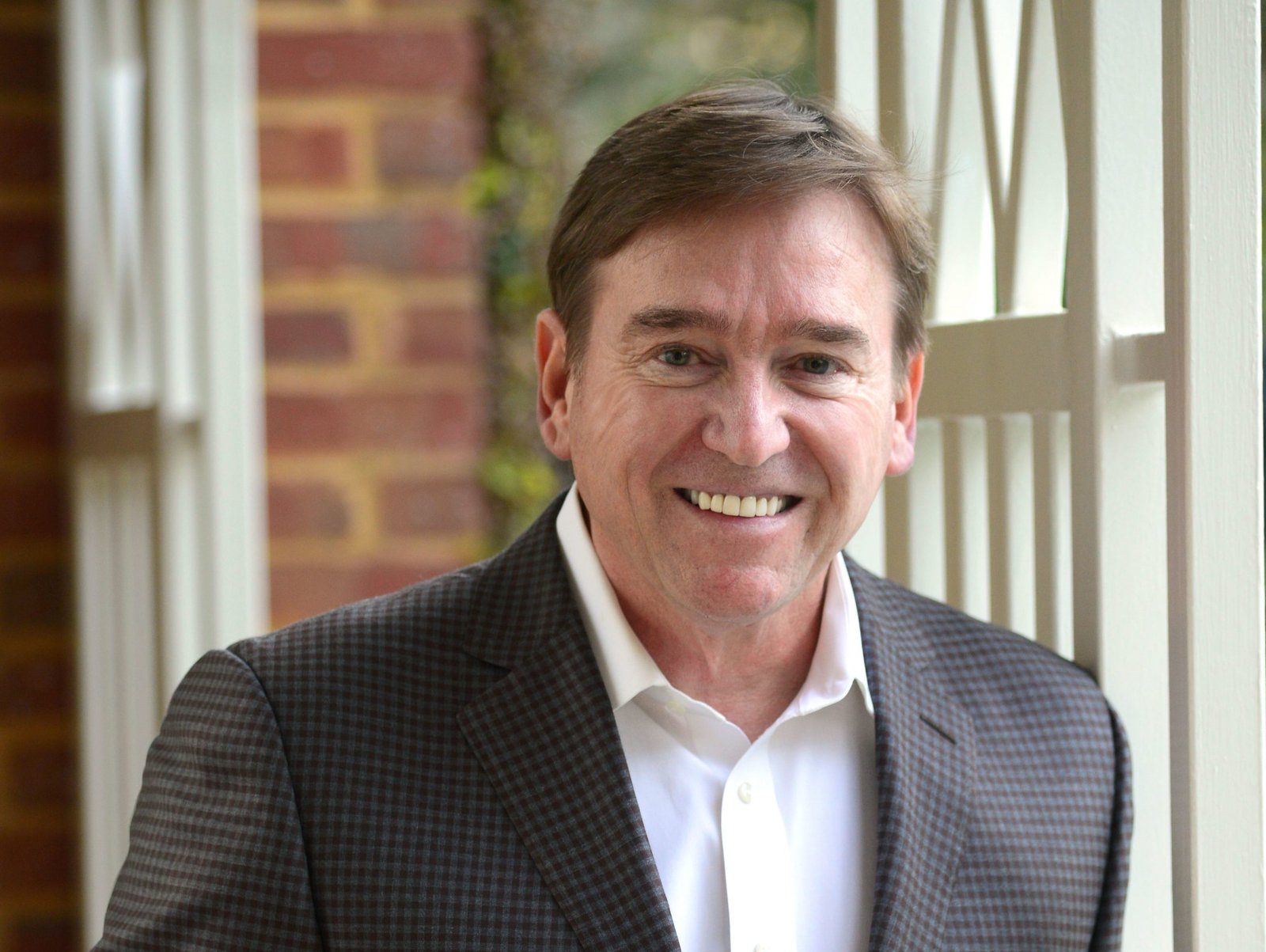 Darden North’s mystery and thriller novels have been awarded nationally, most notably an IPPY in Southern Fiction for Points of Origin. His other novels are Wiggle Room, Fresh Frozen, and House Call. Portico Magazine published North’s short story “Driving Henry” in...
